The “20 Days Budget Thrilling Safari” takes you deep into the heart of East Africa’s most iconic national parks, including Serengeti, Maasai Mara, Bwindi Impenetrable Forest, and Queen Elizabeth National Park.
From thrilling game drives and close encounters with the Big Five to gorilla trekking adventures and cultural experiences with local communities, this safari offers everything you need for a once-in-a-lifetime African adventure, all while staying within budget. Whether you’re a solo traveler, a couple, or a group, this trip delivers unmatched value and authentic safari experiences.
Cost per person:
Starting from: USD $8500 (Budget Accommodation) per person based on two travelers sharing
| 1 Person | 2 People | 3 People | 4 People | 5 People | 6 People | |
| Jan-April | $11500 | $8500 | $8200 | $8100 | $8000 | $7900 |
| May- August | $12500 | $8700 | $8500 | $8400 | $8300 | $8200 |
| Sept- Dec | $12300 | $8600 | $8400 | $8300 | $8200 | $8100 |
Cost Per Child (Discount)
| Age | 0-2 years old | 3-6 years old | 7-10 years old | 11-13 years old | 14+ years old |
| Discount Rate | 100% | 65% | 50% | 15% | 0% |
Why This Tour?
20 Day Budget Thrilling Safari In Uganda, Kenya and Tanzania
Embark on an unforgettable 20 day budget thrilling safari through Uganda, Kenya, and Tanzania, a perfect blend of breathtaking landscapes, abundant wildlife, and rich cultures.
East Africa Tours
You will visit Murchison Falls National Park, Kibale National Park, Queen Elizabeth National Park, Bwindi Impenetrable National Park, Lake Bunyonyi, River Nile, Lake Naivasha National Park, Lake Nakuru National Park, Maasai Mara National Park, Serengeti National Park and Ngorongoro Crater.
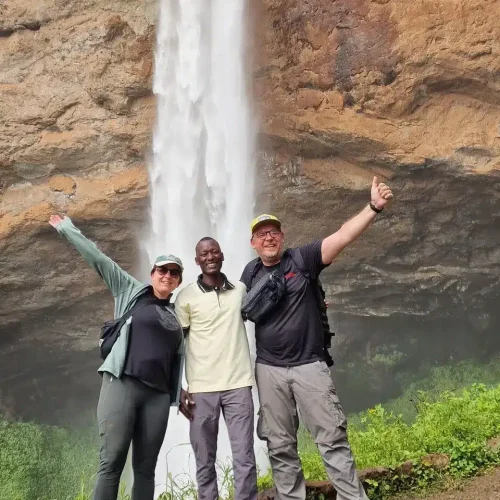
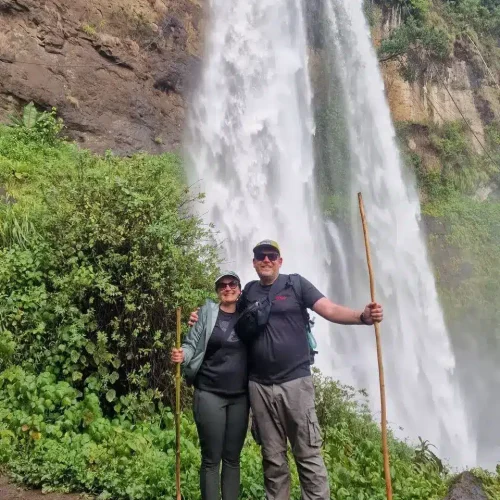
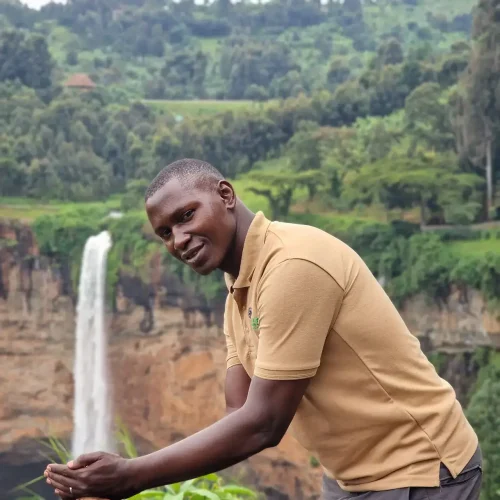
You will enjoy the views of these magnificent falls, where Nile forces its way through a gorge in the rocks and tumbles 43m below flowing westwards into Lake Albert. Did you know that Murchison Falls is the most POWERFUL waterfalls in the whole world?
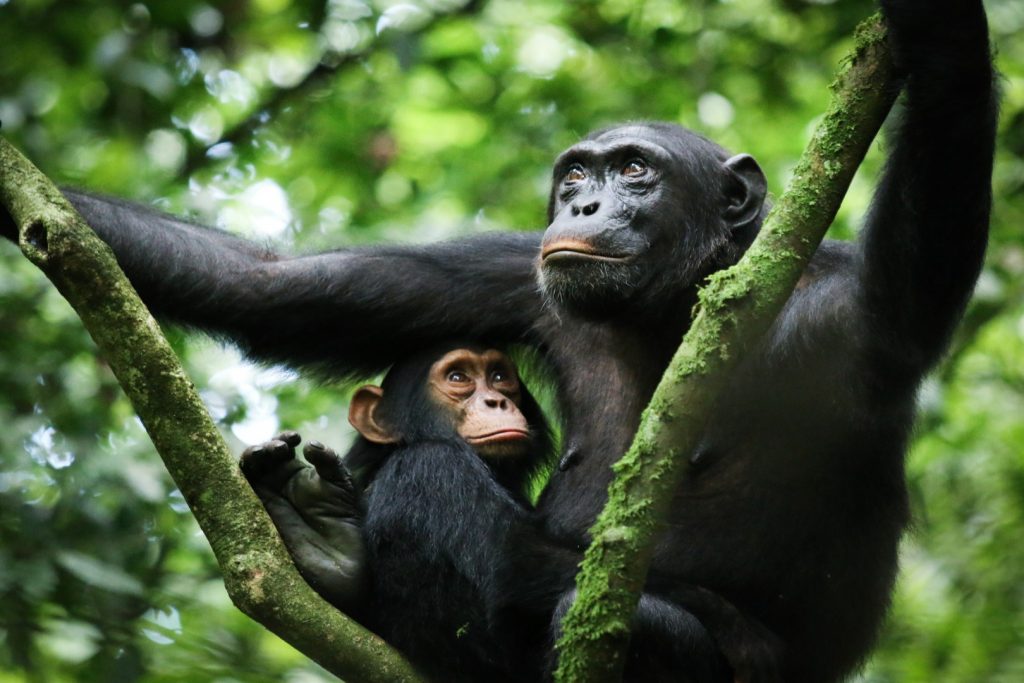
Uganda has the highest number of Chimpanzee in the whole world which is about 4950 chimpanzees and Kibale National Park holds about 1500 chimpanzees.
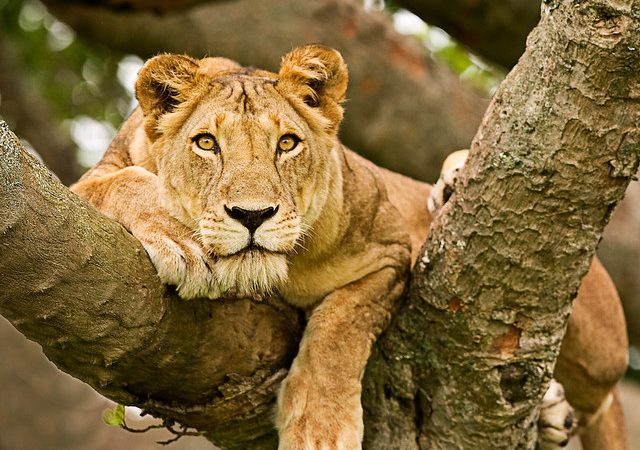
You will visit the Ishasha sector, in the far south of the Queen Elizabeth National Park, is famous for its tree-climbing lions; these female lions, who enjoy spending the long, are the most memorable sight in the entire park, but don’t miss the superb birdlife or the wonderful boat trip on the Kazinga Channel either.
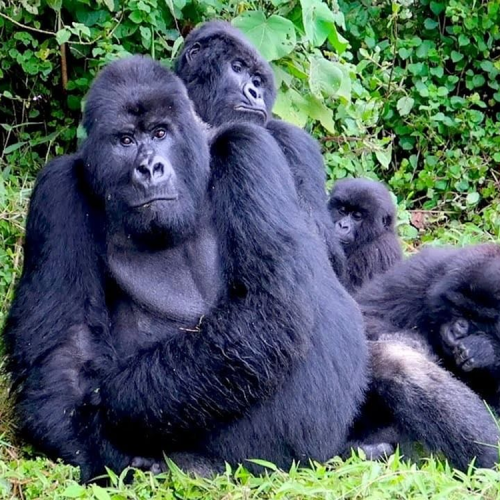
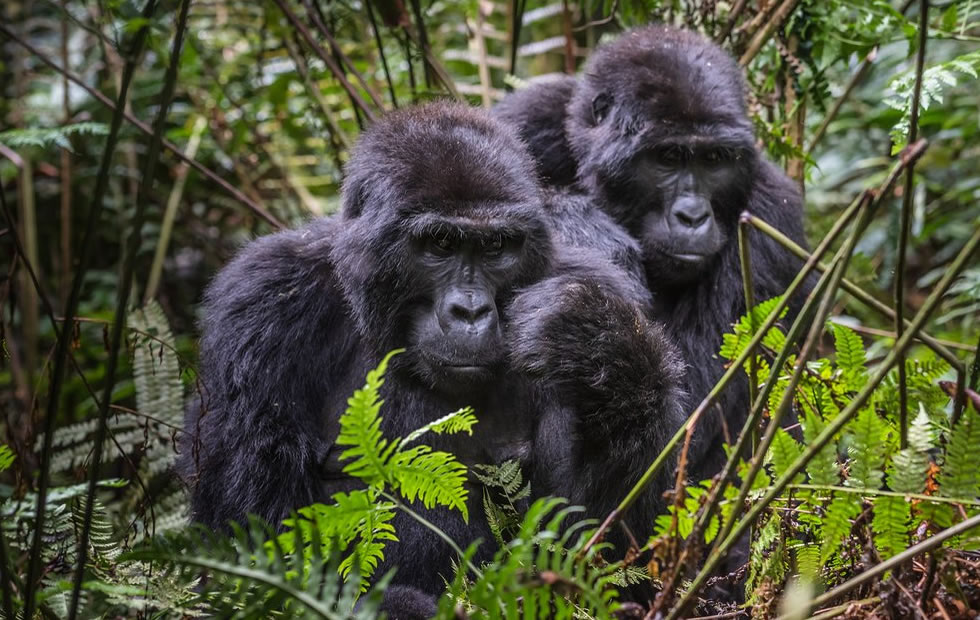
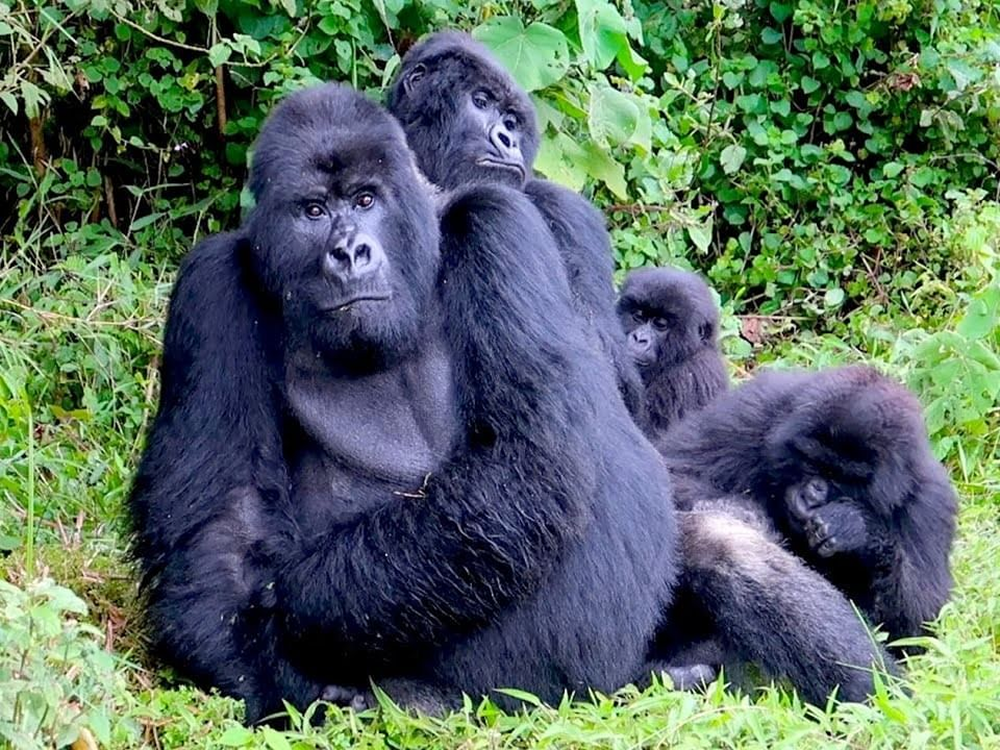
Did you know that Uganda has the highest percentage of mountain gorillas in the world?
Maasai Mara is Kenya’s finest wildlife sanctuary with well over 450 animal species. You will experience some game drives during this safari. Besides experiencing the game drives, you will have time to enjoy the scenic view of the Great Rift Valley.
You will also get an opportunity to visit Serengeti National Park, is also home to the Big Five – lion, elephant, buffalo, rhino and leopard – and you might be able to see all the members of this group. After Serengeti, you visit the wildlife rich Ngorongoro Crater.
Each destination has something unique to offer, from wide open plains with untamed wildlife to Africa’s Big 5 and stunning vistas. An affordable and fun journey through a truly magnificent region of the world! On this trip, you will spot over 700 animal species and various bird species.
Highlights
- Gorilla Trekking
- Chimpanzee Tracking
- Rhino Tracking
- Batwa Cultural Interactions
- Game Drives
- Boat Cruises
- Bird Watching
- Zip Lining
- Safari Biking
- Hot Air Balloon Safari
- Maasai Cultural Interactions
Tour Plan
On arrival in Uganda, you will be welcomed and picked by our Kubwa Five Safaris guide, who will be holding an A4 paper with your name printed on it at Entebbe International Airport, and you will be transferred to Murchison Falls National Park.
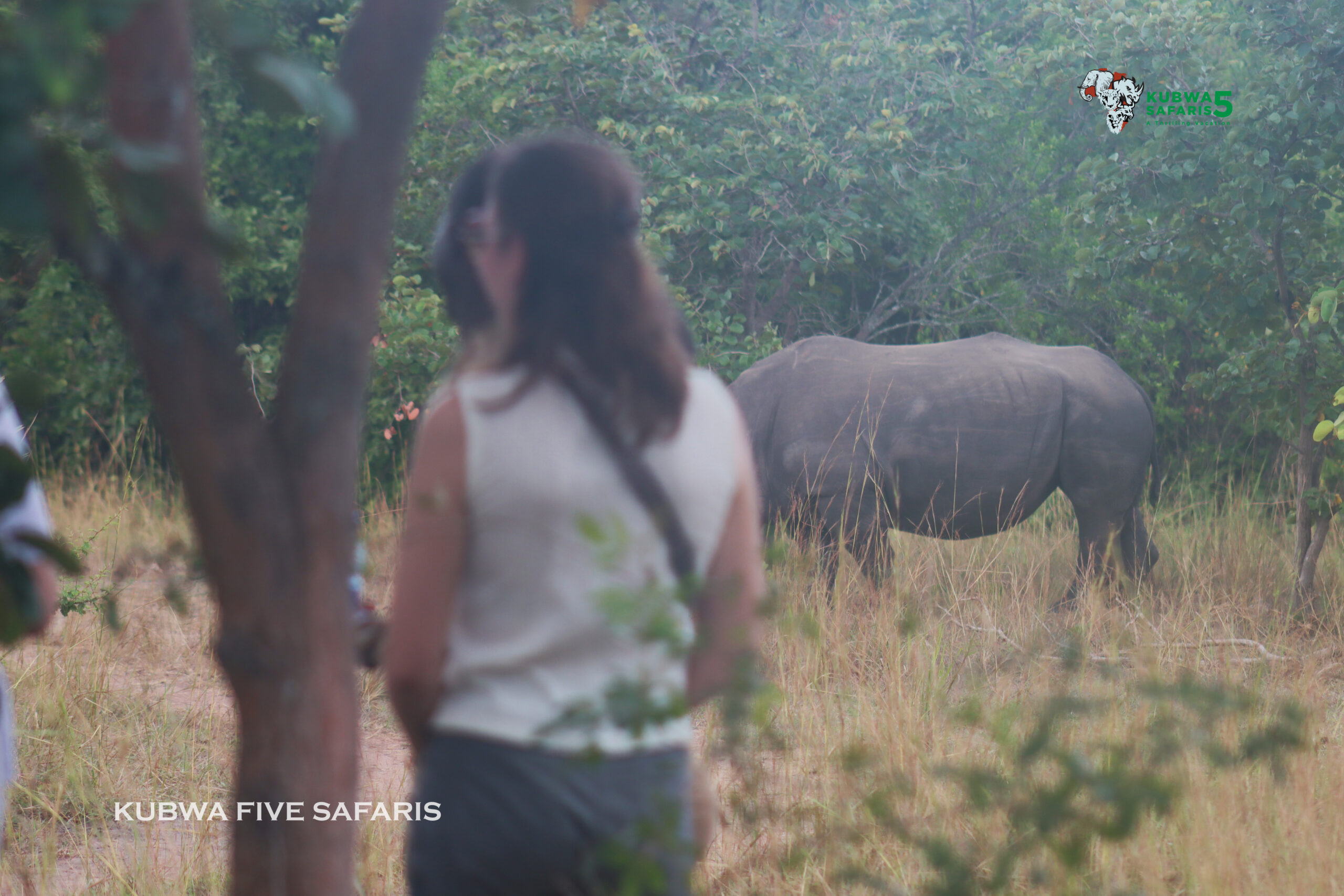
On your way to Murchison Falls National Park, you will branch off to Ziwa Rhino Sanctuary for rhino tracking; this activity is truly one of a kind in Uganda, the pearl of Africa.
The distance from Entebbe International Park to Ziwa is about 5 hours drive.
Your first tourist attraction in the park is the top of the falls, which are the most powerful waterfalls in the whole world . It is a breathtaking experience that brings you very close to these magnificent falls, where the Nile forces its way through a gorge in the rocks and tumbles 43m below flowing westwards into Lake Albert. The resulting mist from the turbulence often produces rainbows.

After the rhino tracking, you will be driven to Murchison Falls National Park.
After seeing the top of the falls, if time allows, you will enjoy a hiking experience from the top to the bottom of the falls at a fee of 10 USD per person payable at the park and thereafter en-route to your lodge, go for a short evening game drive.
Meals and overnight at Wildpalace Safari Lodge/Leosim Hotel/ Red Chilli Rest Camp/ Kalalo Cottage Inn
After breakfast, you will set off very early in the morning for a morning game drive. You will be able to see various animals like lions, leopards, giraffes, hippos, elephants among others.
Other activities in this game drive include bird watching and sightseeing across the open savannah, dotted woodland, and riverine vegetation along the Nile and Albert deltas.

After the morning game drive, you will go to the lodge to relax and have lunch.
After lunch, you will embark (between 2pm and 4pm) on a three-hour boat cruise on the Nile. This boat cruise offers an amazing view of the falls from the bottom. Hippos, crocodiles, antelopes, and aquatic birds can be seen along the shores of the river.

In the evening, you will head out for an evening game drive.
Meals and overnight at Wildpalace Safari Lodge/Leosim Hotel/ Red Chilli Rest Camp/ Kalalo Cottage Inn
After breakfast, you will be transferred to Kibale National Park, driving Southwest through the Albertine Escarpment of the Great Western Rift Valley. You will have lunch on your way.
The driving distance from Murchison Falls National Park to Kibale National Park is approximately 7 hours. However, the journey offers scenic views and opportunities to observe beautiful landscapes, making it a worthwhile experience.
This route provides a chance to appreciate the diverse geography and natural beauty of the region, enhancing the overall travel experience.
On arrival in Kibale National Park, you will be driven to Bigodi Wetland Sanctuary for a community walk and cultural interaction. It is a fascinating area, located in Magombe swamp.

This area is recognized for an extensive array of biodiversity among which are several primates species like the red colobus monkeys, baboons, black and white colobus monkeys, blue monkey grey cheeked, mangabey, vervet monkeys, red tailed monkeys and the L’Hoest monkeys. Additional mammals such as sitatungas, mongooses, bush pigs, otters plus bush bucks.
Meals and overnight at Kibale Forest Camp/ Kibale Forest Lodge/ Kibale Eco Home/Chimpanzee Capital Lodge
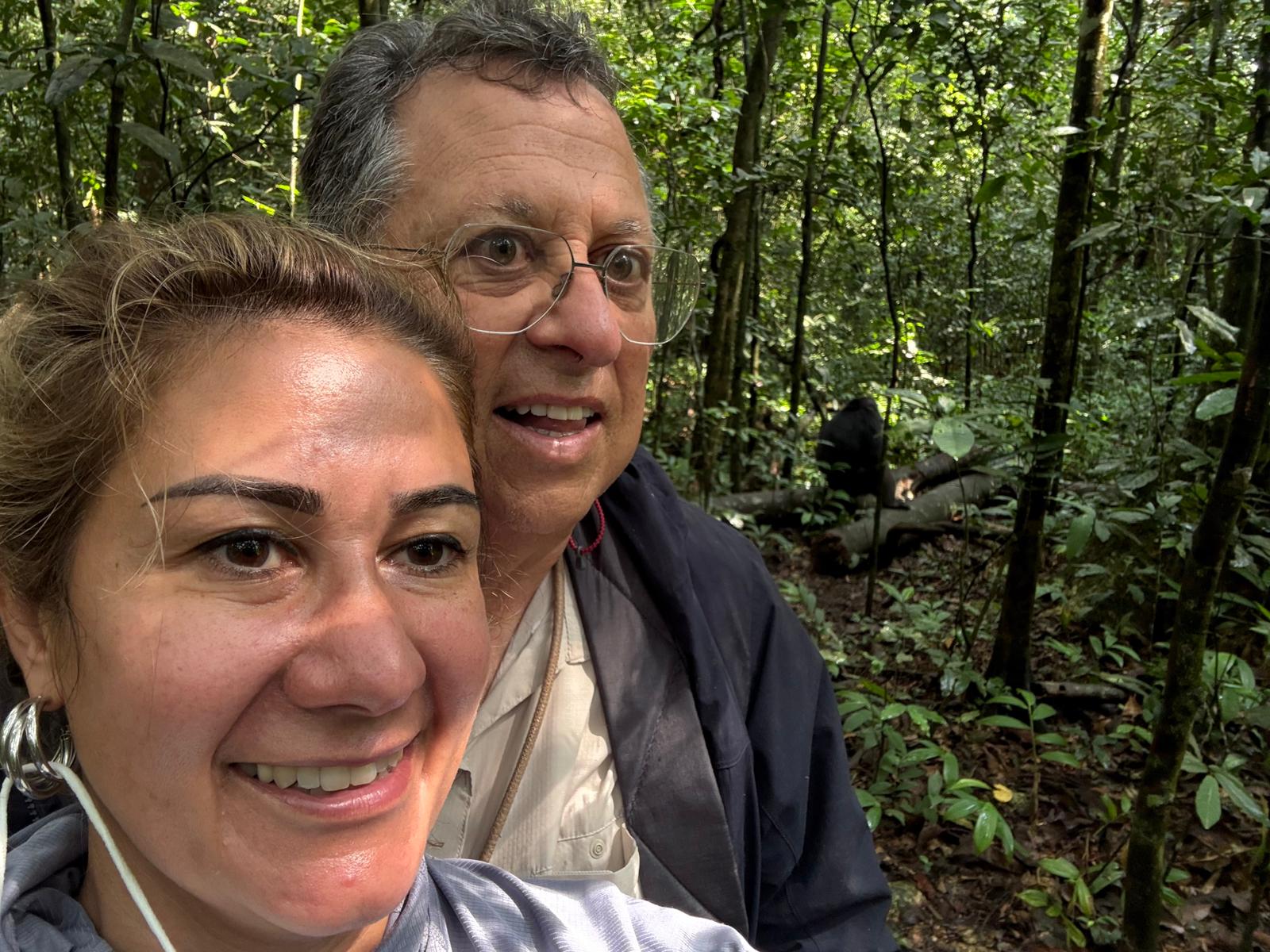
After breakfast, you will head out with your guide and a packed lunch to the park head offices for a briefing about the do’s and don’ts of chimpanzee trekking. You will start early and take about two to six hours, depending on the location of the chimps.
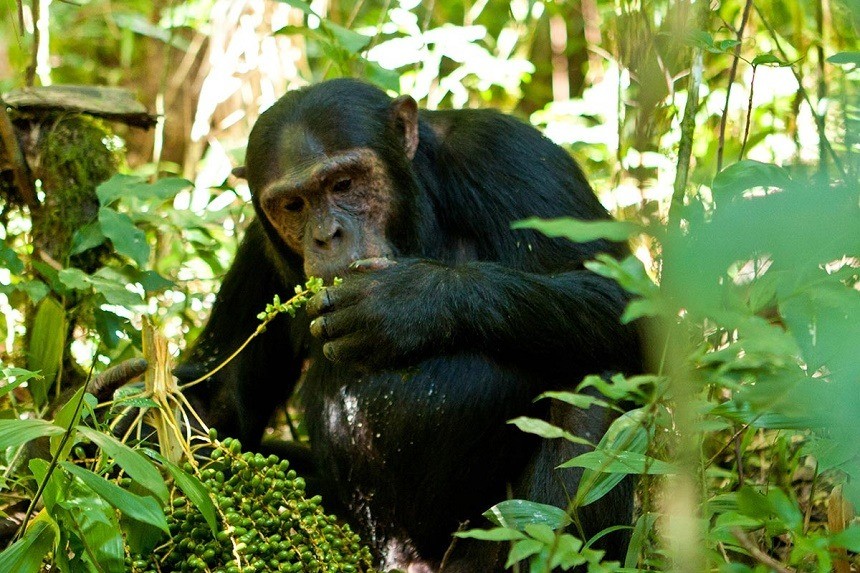
The opportunity to see chimpanzees in the wild is one of the most memorable of all safari activities. Getting close to these creatures that share so much of our DNA is a once-in-a-lifetime experience, and the excitement of walking through the forest and knowing that they are close will stay with you forever.
After trekking, you will go back to your lodge to freshen up and spend the rest of the evening relaxing.
Meals and overnight at Kibale Forest Camp/ Kibale Forest Lodge/ Kibale Eco Home/Chimpanzee Capital Lodge
After breakfast, you will visit the Amabere Ga Nyina Mwiru Caves and the three surrounding explosion crater lakes. This makes it one of the most interesting day adventures and it can be done while staying in Fort Portal.
After visiting Amabere Ga Nyina Mwiru Caves, you will be driven to Queen Elizabeth National Park. This is a huge park where wildlife and people coexist in harmony. You will have lunch on your way.

The driving distance from Fort portal to Queen Elizabeth National Park is approximately 2 hours.
On arrival in Queen Elizabeth National Park, you will go for a boat cruise on the Kazinga Channel, which connects Lake Edward and Lake George.

Some of the best wildlife viewings are done on a boat cruise along the Kazinga Channel, passing squacco herons, pied kingfishers, large numbers of buffalo and hippo, basking crocodiles and very many different bird species and large mammals. This is one of the most memorable experiences from the park. Over 300 hippos are found in the lake.
After the boat cruise, you will go for an evening game drive in Queen Elizabeth National Park aiming to catch the lions hunting in the evening. Lions usually hunt when the temperatures are cooler. We also expect to see the Uganda kob, elephants, buffalos, warthogs, leopards and waterbucks.
Meals and overnight at Bush Lodge/ Mweya Hostel/ Kabatoro Guest House/Songbird Safari Lodge
After an early morning breakfast, you will be transferred to Ishasha Sector for the tree-climbing lions on the Kasenyi Plains. Ishasha is located in the southern sector of Queen Elizabeth.

Have a game drive in Ishasha, famous for its tree climbing lions. The Ishasha Sector is notably recognized for its resident tree-climbing lions which are an exceptional attraction.
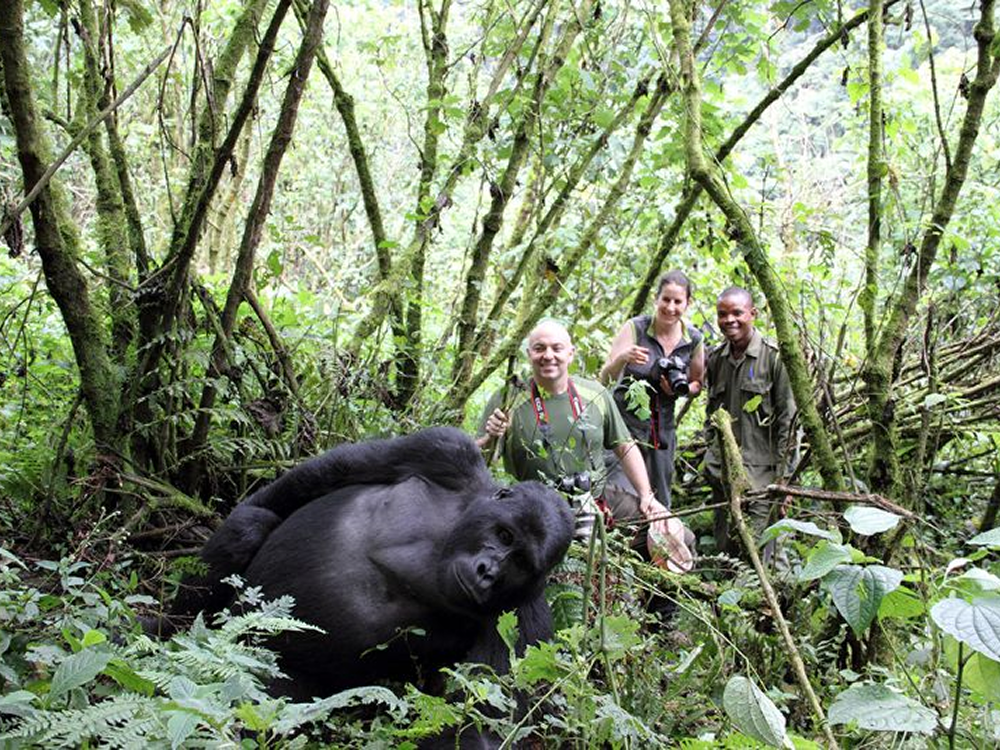
After the game drive in Ishasha it is time to move to Bwindi Impenetrable National Park, home of the famous mountain gorillas. You will have lunch en route.
On arrival, you will check in at your lodge, then later in the evening, you will head out for a community walk where you will visit the Batwa. This is an indigenous group of people that have lived in the forest for over 500,000 years. You will enjoy traditional dances and drama from them.
The driving distance from Ishasha to Bwindi Impenetrable National Park is approximately 6 hours. However, the journey offers scenic views and opportunities to observe beautiful landscapes, making it a worthwhile experience.

This route provides a chance to appreciate the diverse geography and natural beauty of the region, enhancing the overall travel experience.
Meals and overnight at Gorilla Friends Resort Lodge/ Ruhija Gorilla Friends Resort/ Nshongi Camp
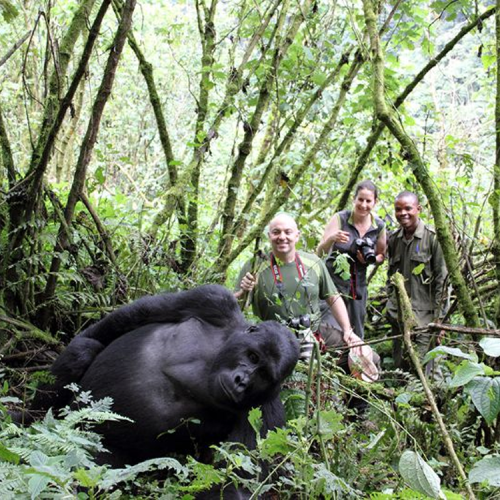
After breakfast, you will head out with your guide and a packed lunch to the park head offices for a briefing about the do’s and don’ts of gorilla trekking.

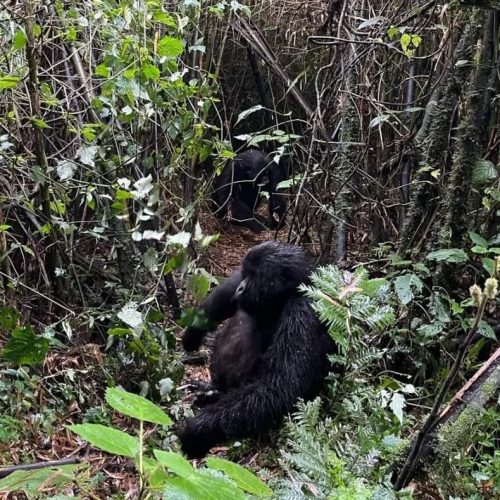
Afterwards, you will head out for gorilla trekking through the misty rain forest. Trekking lasts two to six hours, depending on the location of the gentle giants. Make sure you carry enough water, sturdy shoes, non-flash cameras, and rain jackets.
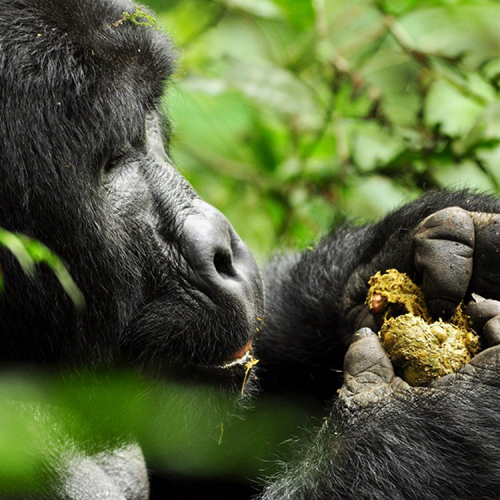
Spending time in the presence of mountain gorillas is a real privilege, so we are sure you will enjoy trekking deep into the forest to find them. This is one of the most memorable experiences you can have while on safari.

At the end of this long and exciting adventure, you will be transferred to Lake Bunyonyi, which is a twisting water body, dotted with 29 islands of various shapes and sizes scattered across the water.
On arrival at Lake Bunyonyi, you will check in at your lodge and relax for the rest of your day.

The driving distance from Bwindi Impenetrable National Park to Lake Bunyonyi is approximately 1-2 hours.
Meals and overnight at Paradise Eco Hub/ Bunyonyi Overland Resort/ Crater Bay Cottages and Camp.
After breakfast, you will relax at your hotel until lunch time. Lake Bunyonyi is framed by lush, green-terraced hills that reach a height of (2,200 – 2,478m). It is the second deepest lake in Africa and it happens to be one of the few African lakes completely safe for swimming – there is no bilharzia.

After having your lunch, you will either continue relaxing at your lodge or head out to take part in the optional activities, such as zip lining, ninja warrior challenge, canoeing and kayaking at a small fee payable at the lake.

Meals and overnight at Paradise Eco Hub/ Bunyonyi Overland Resort/ Crater Bay Cottages and Camp.
After having a delightful breakfast, you will be driven to Kampala. Along the way, you will have a stopover at the Equator in Masaka.

You will be able to see where this imaginary line divides our planet into two equal hemispheres. Lunch, snacks, souvenirs and photographs may be taken here.
After that, you will be driven to Kampala. Depending on the arrival time in Kampala, you will go for the city tour.
Meals and overnight at Bushpig Backpackers Hostel/ Russel Hotel.
After breakfast, you will depart to Jinja with your packed lunch going through Mabira forest. Mabira Forest is a rainforest area covering about 300 square kilometers. It is home for many endangered species like the primate Lophocebus Uganda.

Distance from Kampala to Jinja is about 2 hours’ drive.
On arrival in Jinja, you will go for White Water Rafting on the rapids which are an adventure and an unforgettable experience. The Nile River finds its source in Jinja where it starts the 4000 km through different African countries.
After white water rafting, you will check in at your hotel and relax.
Meals and overnight at Brisk Hotel Triangle/ Adrift Overland Camp/ Nile Hotel Jinja.
You will have an early morning breakfast and chill at your hotel.
You can as well head out for today’s optional activities which are payable separately at the location.
- Nile tubing (US $80 per person)
- Quad biking (US $70 per person for 30 minutes, US $90 per person for 1 hours, US $110 for 2 hours)
- Kayaking, it ranges from US $40 to US $80 per person depending on how long you will have the Kayaking)
- Horseback safari (US $130 per person per hour but the person to weigh less than 90KG)
- Meals and overnight at Brisk Hotel Triangle/ Adrift Overland Camp/ Nile Hotel Jinja.
On this day after your breakfast, you will be driven to Entebbe International Airport for a flight to Kenya.
Distance from Jinja to Entebbe is 4 hours’ drive.
On arrival in Kenya at around 9:00 pm, you will be welcomed and picked by our Kubwa Five Safaris guide who will be holding an A4 paper with your name printed on it at Jomo Kenyatta International Airport, and be transferred to your hotel in Nairobi.
Meals and overnight at Ibis Styles Nairobi Westlands Hotel/ Kahama Hotel/ Stardom Hotel.
After breakfast, you will be transferred to Lake Naivasha National Park. This Lake is arguably one of the main attractions in Kenya. For one, it‘s a gateway to a variety of wildlife.
On arrival in Lake Naivasha, you will check in at your lodge, then get out for an evening boat ride. Taking a boat excursion will give you spectacular views of flamingoes, hippos and fish eagles.
Distance from Nairobi to Lake Naivasha is about 1 hour and 45 minutes’ drive.
Meals and overnight at Fisherman’s Camp/ Fina Gardens Resort Naivasha/ Naivasha Blooming Hotel.
After breakfast, you will be transferred to Hell’s Gate National Park for bike riding, which will take about 2 hours.

After the bike-riding safari, you will be driven to Lake Nakuru National Park. On arrival, you will check in at your lodge, and later, you will go for an evening game drive.
Distance from Hell’s Gate National Park to Lake Nakuru National Park is about 2 hours and 15 minutes’ drive.
Lake Nakuru National Park’s claim to fame is anchored on its numerous flamingos and over 400 different bird species. The lake itself is a soda lake on the floor of the rift valley.
The sight of the millions of flamingos is quite spectacular. From a distance the lake appears ringed in pink.

Meals and overnight at Hotel Citymax/ Sleepway Cottages/ Flamingo Hill Tented Camp.
After breakfast, you will head out for an early morning game drive. Lake Nakuru is one of Kenya’s renowned soda lakes and it is world-famous for attracting millions of flamingos to its alkaline shores.
Feeding on the abundant algae that grows in the warm and shallow waters, witnessing these legions of fuchsia-pink flamingos is a sight to behold.
After the morning drive, you will be transferred to Maasai Mara National Reserve. You will pass through the floor of the rift valley and arrive in the evening.
Distance From Lake Nakuru National Park To Maasai Mara is 4 hours and 35 minutes’ drive.
On arrival, you will visit the local Maasai village for a cultural tour. Learn about the Maasai community and interact with the local people.
An overnight at the Maasai village can be organized upon request.


The Maasai Mara Game Reserve offers wildlife in such variety and abundance that it is difficult to believe over 450 species of animals has been recorded here.
Meals and overnight at Miti Mingi Eco Camp/ Lenchada Tourist Camp/ Destiny Eco Camp Mara.
After breakfast, you will spend the whole day in the park in search of its well-known predators and their opponents like zebras, wildebeests, giraffes, lions, cheetahs, elephants, buffalos and other animal species.
It is the Maasai Mara National Reserve that perhaps has the most spectacular event of the natural world . This is the annual migration of millions of wildebeests and zebras from the Serengeti (Tanzania) in search of water and pasture.

Optional activity: A balloon safari at USD 485 per person can be organized early in the morning on this day, then proceed with the normal program.

Meals and overnight at Miti Mingi Eco Camp/ Lenchada Tourist Camp/ Destiny Eco Camp Mara.
After an early morning breakfast, you will be driven to Isebania, Kenya – Tanzania border with packed lunches. Meet our Kubwa Five Safaris Tanzania driver/guide, change safari car and immigration formalities and be driven to Serengeti National Park.


On arrival, you will go for an evening game drive.
Meals and overnight at Kati Kati Tented Camp/ Africa Safari Maasai Boma Camping/ Sound Of Silence.
After breakfast, you will have a full day in Serengeti National Park. Our guides will choose the best spotting locations for that time of year.
We can spend time at the Hippo pool watching these majestic animals laze about in the cool water happily living alongside the crocodiles, watch a big pride of lions, and many more.
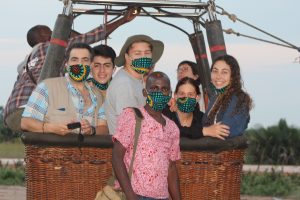
Optional activity: A balloon safari at USD 600 per person can be organized early in the morning on this day, then proceed with the normal program.
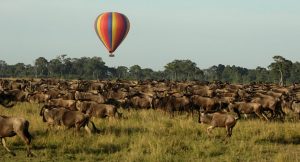
Serengeti National Park Tanzania’s oldest national park, renowned for the part it plays in the annual Great Migration, when an estimated three million antelope – mostly wildebeest – migrate to Kenya’s Maasai Mara Game Reserve.

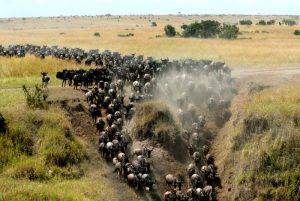
This epic, seasonal journey is a deeply moving experience and a wonderful photographic subject. Here visitors to the park can roam its sprawling plains on exhilarating game drives or hop into a hot-air balloon ride for an once-in-a-lifetime wilderness adventure.
Meals and overnight at Kati Kati Tented Camp/ Africa Safari Maasai Boma Camping/ Sound Of Silence.
After an early breakfast, you will be driven to Ngorongoro crater for game drive with packed lunches. You will go through the Ngorongoro Crater Highlands to the base of the Rift Valley Escarpment; a dramatic bluff nearly 2,000 ft high
Distance from Serengeti National Park to Ngorongoro Crater is 1 hour and 50 minutes’ drive.
On arrival, you will go for a game drive. After the game drive, you will head back to your lodge to relax for the rest of the day.


Meals and overnight at Rhino Lodge/ Simba Campsite/ Jambo Rooms.
After having a delightful breakfast, you will be driven to Arusha town for shopping, have lunch in town, then be driven to Kilimanjaro International Airport for your scheduled flight back home.
Cost Included/Exclude
Inclusions
- One gorilla permit per person to be secured and paid for well in advance
- One chimpanzee permit per person to be secured and paid for well in advance
- Services of an expert guide
- Airport transfer (Airport pick up and drop off)
- Internal flight tickets (from Uganda to Kenya)
- Daily meals (breakfast, lunch, and dinner)
- Ground transportation (4×4 safari Landcruiser / minivan with pop-up tops)
- Full board accommodation and en route meals as indicated in the itinerary
- Park fees and relevant government taxes.
Exclusions
- Airfares
- Visa fees
- Personal insurance
- Expenses of personal nature, such as drinks, tips, laundry, telephone, and cigarettes
- Accommodation and meals not indicated in the itinerary